Safe catering for the people who depend on it most
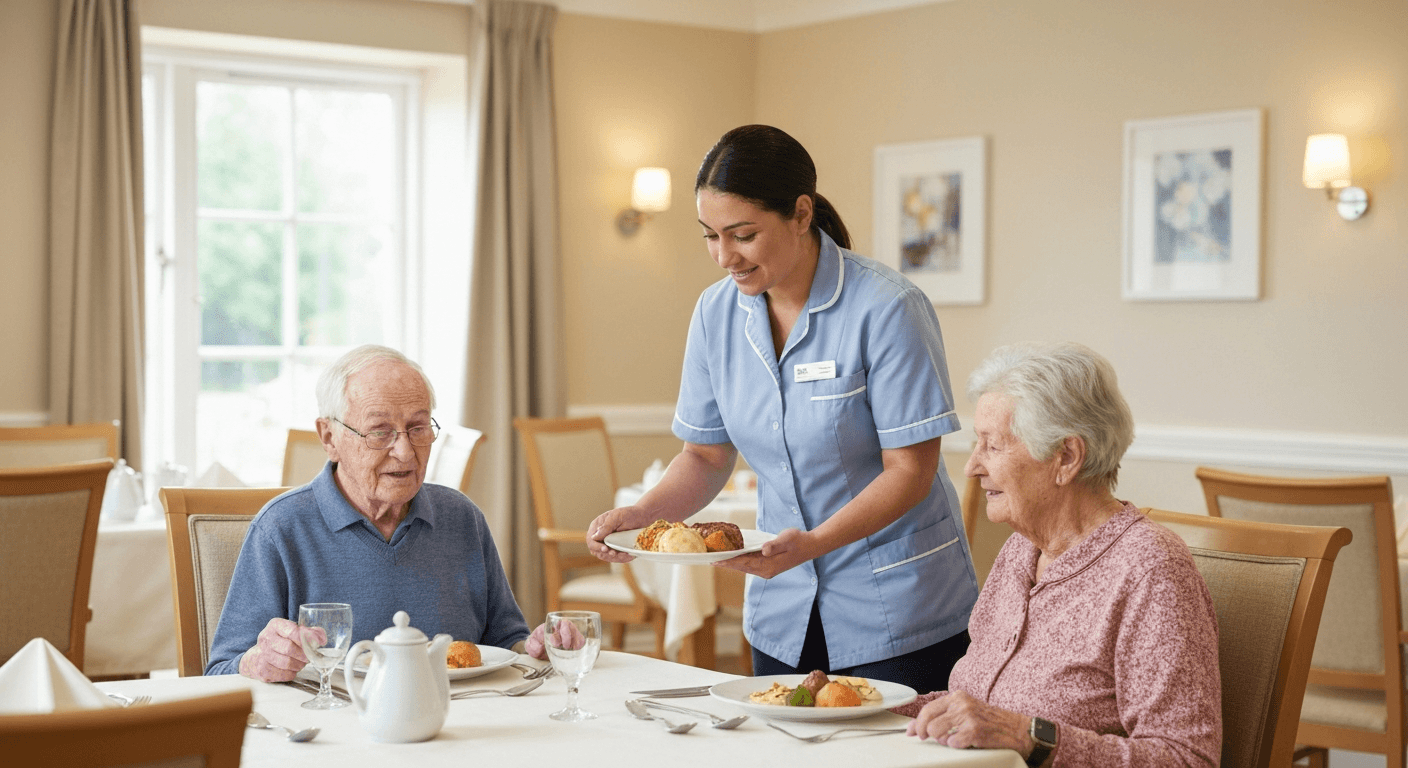
Residents in care settings are among the most vulnerable to foodborne illness. We help care home kitchens deliver safe, dignified dining with systems built for round-the-clock catering operations, from texture-modified meals to infection control during mealtimes.
Last updated:
How we can help

HACCP for care catering
Plans covering texture-modified meals, vulnerable-group controls such as listeria management in chilled foods, and the elevated hygiene demands of round-the-clock kitchen operations in registered care settings.

Training for kitchen and care staff
Level 2 and Level 3 food hygiene qualifications for chefs, kitchen assistants and care workers who handle food on the floor, accredited, practical, and delivered in-house to minimise service disruption.
Special diets and allergens
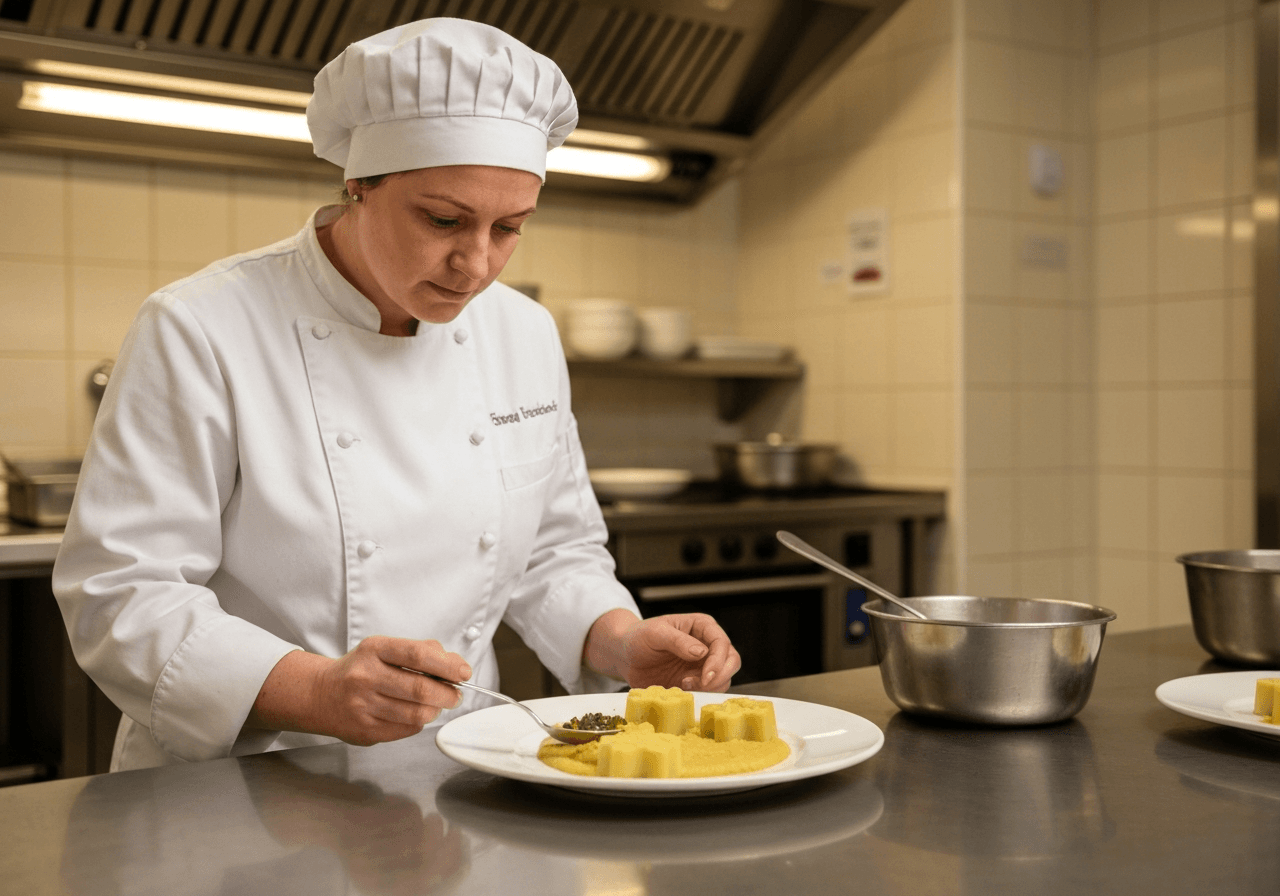
Allergen management alongside safe systems for texture-modified (IDDSI) and fortified diets, aligned with resident care plans. Clear documentation so kitchen and care staff are always working from the same information.

EHO and CQC readiness
Food safety underpins both an EHO inspection and a CQC visit. We help kitchens prepare for both with mock EHO inspections, documented procedures and corrective-action plans that close gaps before a regulator arrives.
HACCP and special diets for care catering
Care home kitchens carry two layers of risk at once: round-the-clock catering and residents who are highly vulnerable to foodborne illness. Your food safety management has to reflect both, with controls for chilled and reheated foods, listeria risk, and texture-modified diets, not a generic catering template.
We build HACCP plans that link kitchen production to resident care plans, so the right texture, fortification and allergen requirements reach the right person every time, with documentation that satisfies both an Environmental Health Officer and a CQC inspector. See our HACCP consultants and allergen support.
What your care-catering food safety covers
- Hazard analysis for round-the-clock catering
- Controls for chilled, reheated and other high-risk foods
- Texture-modified and fortified diet procedures (IDDSI)
- Allergen management linked to resident records
- Temperature monitoring procedures and records
- Staff training and competency records
- Readiness for both EHO and CQC inspection
Guide prices
- Care-catering HACCP plan
- from £500
- Mock EHO & CQC readiness audit
- from £350
- Accredited food safety training
- from £200

Reviewed by a food safety expert
Carren Amoli
Founder & Lead Food Safety Consultant
BSc (Hons) · Former NHS dietitian · International food safety auditor · 16+ years
Carren founded Kitchen Tonic in 2009 and has 16+ years in food safety. She personally oversees client work, from HACCP plans to EHO inspection support, and has helped 500+ UK kitchens reach a Food Hygiene Rating of 5.
More about Carren and the teamOne place to manage training across your sites and team
The KitchenTonic Business Portal lets you set mandatory courses by site and role, track every certificate across your whole business, and access bulk-rate accredited training, free to join, no contract.
Free to join
Create an account in under two minutes, no card required, no contract on the Free tier.
Employee training tracker
Invite your team, assign accredited courses, and track progress and certificates across every site.
Site-specific mandatory courses
Set the training each site and job role requires, from zero-hours staff to supervisors, so nothing slips.
Business pricing
Bulk seat discounts up to 20%, plus 10–25% off consulting when you purchase 2+ courses.
Care home food safety: your questions answered
How do food safety inspections work in a care home, and who carries them out?
Care home kitchens face dual scrutiny. An Environmental Health Officer from the local authority inspects food hygiene and awards a Food Hygiene Rating, while the Care Quality Commission considers nutrition, hydration and the safety of catering as part of its assessment of the service. The two regulators look for different things, but both expect documented procedures and safe day-to-day practice. We help kitchens prepare for both at once.
Do care homes legally need a HACCP plan?
Yes. Under assimilated Regulation (EC) 852/2004, almost every food business must put in place and maintain a permanent procedure based on HACCP principles. For a care home this means a written, working plan that reflects round-the-clock catering, chilled and reheated foods, and the elevated risk to vulnerable residents. The documentation should be proportionate to your operation, but it must be in place and kept up to date.
How do you manage texture-modified and special diets safely?
We build systems that link kitchen production to resident care plans, so the right texture, fortification and allergen requirements reach the right person every time. This covers texture-modified meals prepared to a consistent framework such as IDDSI, clear labelling, and handover procedures between care and catering staff. Good documentation here protects residents and gives both the EHO and the CQC confidence that the system is reliable.
How is allergen management different for vulnerable residents?
Residents may not be able to communicate an allergy or intolerance themselves, so the kitchen cannot rely on the resident to flag risk. Allergen information must be accurate, written down and tied to each resident's record, with safe systems to prevent cross-contamination during preparation and service. Where food is pre-packed for direct sale, Natasha's Law (PPDS labelling) also applies. We document the whole process so it holds up under inspection.
Connect with our care sector team
Tell us about your care home, nursing unit, or supported living kitchen and we will outline the food safety support that keeps your residents safe and your inspectors satisfied. We will come back within one business day.
Enquiring about: Care Homes & Nursing
How can we help?
Pick the option that best describes your situation.
Faster route: take the 4-minute risk assessment
Most businesses get a faster, tailored answer when they share their FSA rating, business type, and pain points first. We’ll email a personalised scorecard and a consultant matched to your postcode.
Type of enquiry